
Following the launch of the COACH Program in August, the impact of coaching is beginning to take root, not just in the sessions, but in the everyday leadership practices of its participants. Designed to build coaching capabilities among First Balfour’s emerging and seasoned leaders, the program is already shaping a culture of empathy, reflection, and shared growth. This follow-up article highlights the voices of five group leaders who are helping drive the program forward. Through their testimonies, we gain insight into how coaching is transforming the way they lead, listen, and connect. 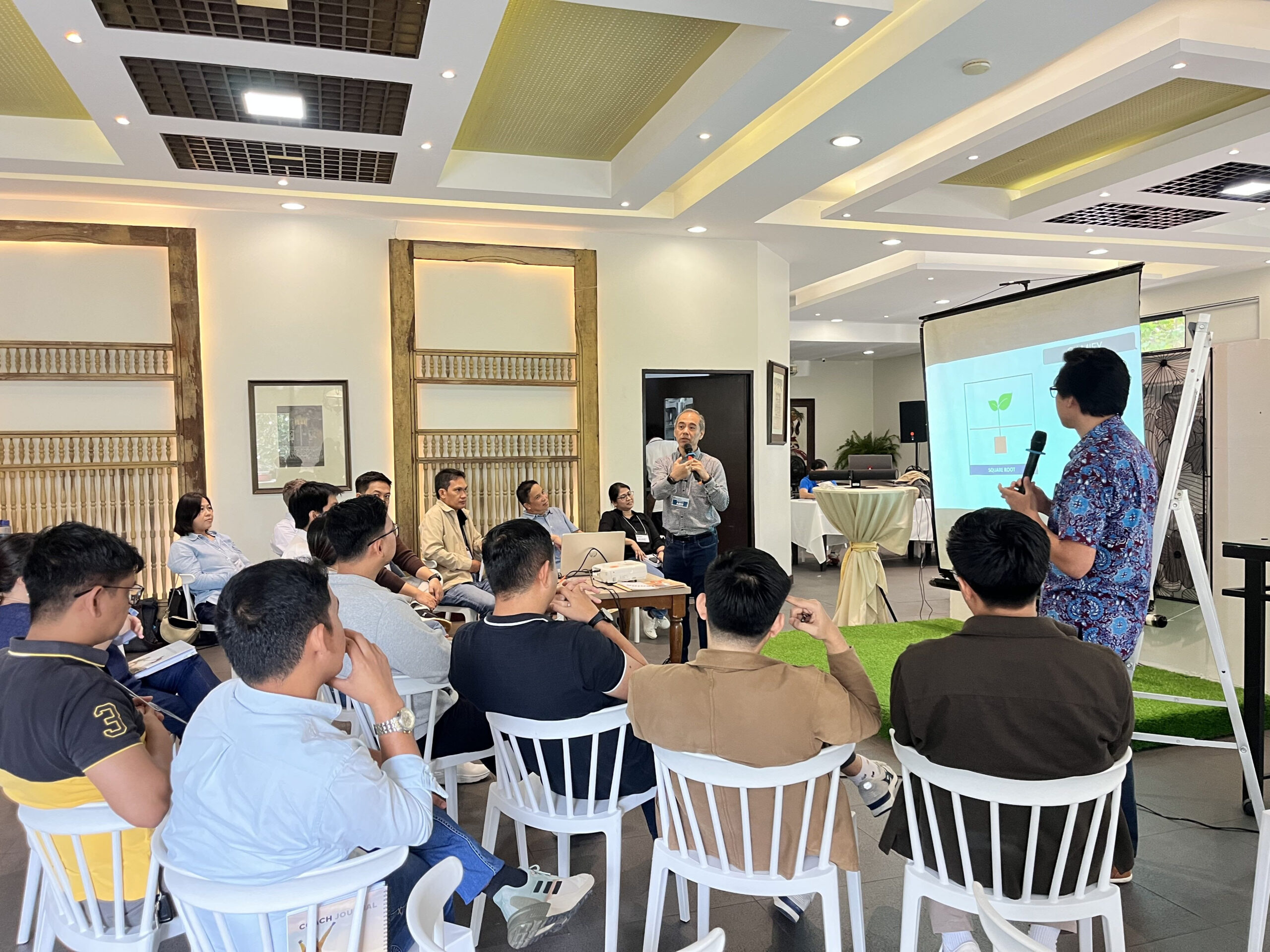 In the recent session, Coach May Soriano shared how the group has been gradually finding its rhythm in the COACH Program. “The group had a calm start to prepare themselves for achieving their goals and targets,” she mentions. “They had already begun doing their one-on-ones and are appreciating the skills and experience of coaching. They are looking forward to succeeding together as a circle.” Listening as Leadership For many, the most practiced coaching skill has been listening deeply, intentionally, and empathetically. “Through listening, I’ve learned to control myself from commanding and to allow my colleagues to share their thoughts. This has helped them open up and think,” shares DOP Negros Project Manager Anton Opelario Jr., quoting Dean Jackson, “Listening is an art that requires attention over talent, spirit over ego, others over self.” T1 Rentals and T1 Transport Finance Head Suzy Salova echoes this, noting how active listening has reshaped her leadership style, “By being fully present in the moment, with the goal of understanding not just the verbal but also the non-verbal cues, I began building emotional safety nets for the team. This fostered a more trusting environment where diverse ideas could be freely shared.” Deputy Sector Head for Energy-OHL Renz Javier adds, “I’ve consistently practiced listening—not just to words, but to what’s between the lines. It shifted my leadership from giving directions to drawing out my team’s own ideas. The result? A culture where people don’t just comply, they commit.”
 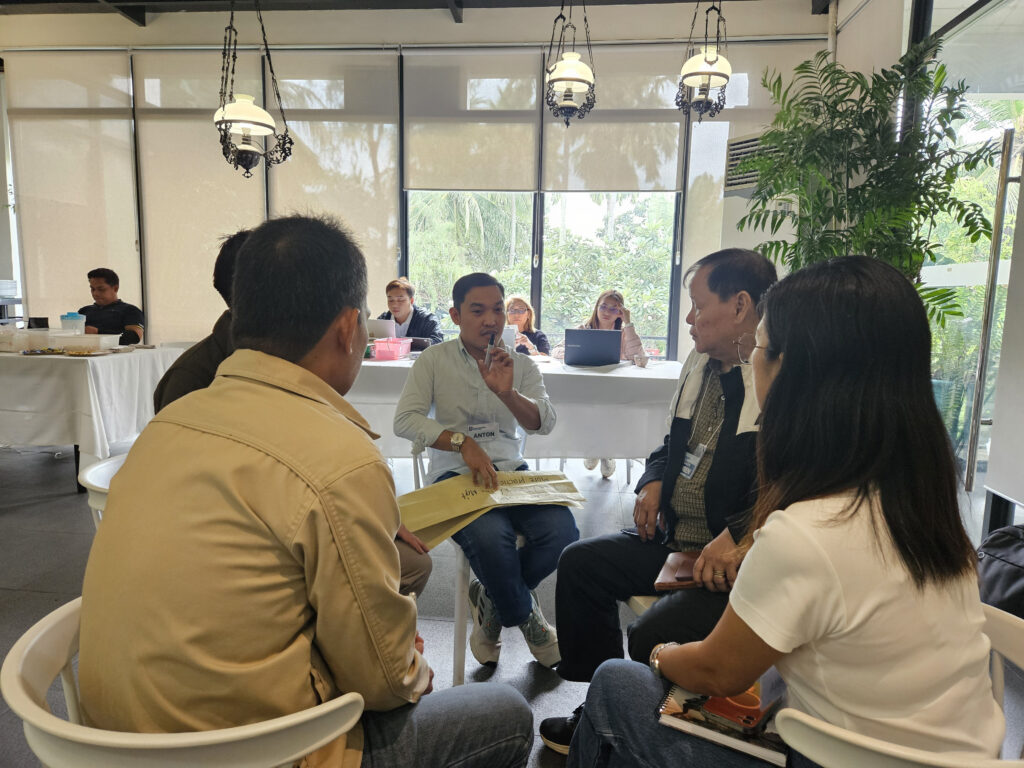 For the Listening Champs, the practice of coaching has clearly taken root. Many have become diligent in using the Coaching Journal, sharing reflections and stories on how coaching has transformed the way they lead and connect with their teams. They’ve learned to listen more intentionally—even in the middle of busy schedules—and have grown more patient, empathetic, and self-aware. Coach May notes, “Leaders reflected that coaching has strengthened teamwork, encouraged openness, and even helped them retain valuable team members.” Through the discipline of regular one-on-ones and their commitment to practicing what they’ve learned, these leaders are proving that true leadership begins with listening. The Power of Questions Asking the right questions has proven to be just as powerful as listening. “I now try to be conscious and intentional with the way I ask questions—making sure they encourage self-reflection and realizations,” shares HR Operations and Rewards Section Head Abi Lavapie. “It’s freeing to know that I don’t need to have all the answers, I just need to ask the right ones.” Abi adds that even a simple “Kumusta ka?” can lead to meaningful breakthroughs. “That one question creates space for anything to come out, and often, that’s where the breakthroughs begin,” she explains. Suzy recalls asking her team, “What do you think we should do?”—a question that shifted the dynamic from directive to collaborative. T1 Rentals Formworks Manager Ems Quiñones shares a moment of clarity sparked by a simple yet profound question: “What makes it hard for you?”
  Coaching as Culture Beyond individual growth, the group leaders see coaching as a catalyst for cultural transformation. “We now share a collective understanding of the tools, framework, and mindset of coaching,” says Abi. “How we choose to use this in our day-to-day will play a big role in shaping First Balfour’s culture and leadership brand.” Suzy envisions a future of empowered teams, “I see coaching shaping First Balfour into an organization with more empowered leaders who, with their teams, are able to shape and own initiatives, adapt to changes in the business environment, and transform challenges into opportunities for growth.” Anton adds, “This coaching will truly strengthen our culture moving forward, as it heavily focuses on communication—ultimately driving high performance and high engagement once fully realized.” The 100-Day Journey The program’s 100-day habit-building structure is helping leaders build consistency and patience. “It gave a great impact on my mastery of the skill,” says Anton. “It enabled me to be more patient and understanding to others.” Renz reflects, “It showed me that discipline beats motivation. Building daily coaching habits trained me to lead with more consistency and patience. I no longer wait for the ‘right moment’—every day is the right moment to coach, guide, and ask powerful questions.”
 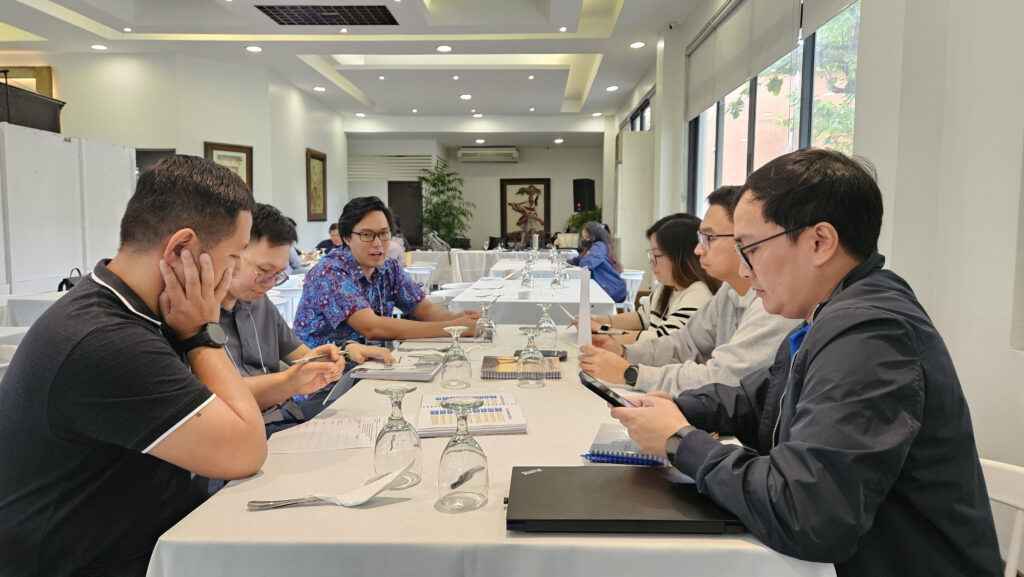 Safe Spaces and Shared Growth The Coaching Circles and Kamustahan sessions have become spaces for vulnerability and connection. “The most meaningful moments were when vulnerability met trust—when peers opened up about real struggles and even small wins,” shares Renz. “Leadership isn’t about projecting perfection; it’s authenticity that builds the strongest bonds.” Ems adds, “I have come to realize that no matter how successful or composed people appear on the outside, they still need a coach—a trusted guide to talk to and help unlock their full potential.” Coach May highlights that the participants have been highly receptive to the learning sessions, particularly during their Kamustahan coaching circle. She mentions, “The Coachees were appreciative of the learning sessions, especially the Kamustahan coaching circle practice that we recently conducted. They appreciated the feedback that was given and it not only raised their self-awareness of how they coach but also they learned from the coaching/feedback from the circle.” As the COACH Program continues, these reflections serve as a reminder that leadership is not just about direction, but about connection. And through coaching, First Balfour is building a community of leaders who listen, ask, and grow together.
In the recent session, Coach May Soriano shared how the group has been gradually finding its rhythm in the COACH Program. “The group had a calm start to prepare themselves for achieving their goals and targets,” she mentions. “They had already begun doing their one-on-ones and are appreciating the skills and experience of coaching. They are looking forward to succeeding together as a circle.” Listening as Leadership For many, the most practiced coaching skill has been listening deeply, intentionally, and empathetically. “Through listening, I’ve learned to control myself from commanding and to allow my colleagues to share their thoughts. This has helped them open up and think,” shares DOP Negros Project Manager Anton Opelario Jr., quoting Dean Jackson, “Listening is an art that requires attention over talent, spirit over ego, others over self.” T1 Rentals and T1 Transport Finance Head Suzy Salova echoes this, noting how active listening has reshaped her leadership style, “By being fully present in the moment, with the goal of understanding not just the verbal but also the non-verbal cues, I began building emotional safety nets for the team. This fostered a more trusting environment where diverse ideas could be freely shared.” Deputy Sector Head for Energy-OHL Renz Javier adds, “I’ve consistently practiced listening—not just to words, but to what’s between the lines. It shifted my leadership from giving directions to drawing out my team’s own ideas. The result? A culture where people don’t just comply, they commit.” For the Listening Champs, the practice of coaching has clearly taken root. Many have become diligent in using the Coaching Journal, sharing reflections and stories on how coaching has transformed the way they lead and connect with their teams. They’ve learned to listen more intentionally—even in the middle of busy schedules—and have grown more patient, empathetic, and self-aware. Coach May notes, “Leaders reflected that coaching has strengthened teamwork, encouraged openness, and even helped them retain valuable team members.” Through the discipline of regular one-on-ones and their commitment to practicing what they’ve learned, these leaders are proving that true leadership begins with listening. The Power of Questions Asking the right questions has proven to be just as powerful as listening. “I now try to be conscious and intentional with the way I ask questions—making sure they encourage self-reflection and realizations,” shares HR Operations and Rewards Section Head Abi Lavapie. “It’s freeing to know that I don’t need to have all the answers, I just need to ask the right ones.” Abi adds that even a simple “Kumusta ka?” can lead to meaningful breakthroughs. “That one question creates space for anything to come out, and often, that’s where the breakthroughs begin,” she explains. Suzy recalls asking her team, “What do you think we should do?”—a question that shifted the dynamic from directive to collaborative. T1 Rentals Formworks Manager Ems Quiñones shares a moment of clarity sparked by a simple yet profound question: “What makes it hard for you?” Coaching as Culture Beyond individual growth, the group leaders see coaching as a catalyst for cultural transformation. “We now share a collective understanding of the tools, framework, and mindset of coaching,” says Abi. “How we choose to use this in our day-to-day will play a big role in shaping First Balfour’s culture and leadership brand.” Suzy envisions a future of empowered teams, “I see coaching shaping First Balfour into an organization with more empowered leaders who, with their teams, are able to shape and own initiatives, adapt to changes in the business environment, and transform challenges into opportunities for growth.” Anton adds, “This coaching will truly strengthen our culture moving forward, as it heavily focuses on communication—ultimately driving high performance and high engagement once fully realized.” The 100-Day Journey The program’s 100-day habit-building structure is helping leaders build consistency and patience. “It gave a great impact on my mastery of the skill,” says Anton. “It enabled me to be more patient and understanding to others.” Renz reflects, “It showed me that discipline beats motivation. Building daily coaching habits trained me to lead with more consistency and patience. I no longer wait for the ‘right moment’—every day is the right moment to coach, guide, and ask powerful questions.” Safe Spaces and Shared Growth The Coaching Circles and Kamustahan sessions have become spaces for vulnerability and connection. “The most meaningful moments were when vulnerability met trust—when peers opened up about real struggles and even small wins,” shares Renz. “Leadership isn’t about projecting perfection; it’s authenticity that builds the strongest bonds.” Ems adds, “I have come to realize that no matter how successful or composed people appear on the outside, they still need a coach—a trusted guide to talk to and help unlock their full potential.” Coach May highlights that the participants have been highly receptive to the learning sessions, particularly during their Kamustahan coaching circle. She mentions, “The Coachees were appreciative of the learning sessions, especially the Kamustahan coaching circle practice that we recently conducted. They appreciated the feedback that was given and it not only raised their self-awareness of how they coach but also they learned from the coaching/feedback from the circle.” As the COACH Program continues, these reflections serve as a reminder that leadership is not just about direction, but about connection. And through coaching, First Balfour is building a community of leaders who listen, ask, and grow together.