As we celebrate National Women’s Month this March, eWalkthrough, through its #WomenWednesdays series, shines a spotlight on the women of First Balfour. Since 2020, we have highlighted women making a difference across departments and disciplines by sharing their stories, insights, and journeys.
This week’s feature is the fourth and final installment of this year’s series, featuring Lovelyn Pasculado, Sheena Matuguina, and Wilma Amahit from our operations team at the Leyte Geothermal Complex—three welders whose stories embody strength, determination, and pride in their craft. Through their work, they continue to grow, uplift others, and demonstrate what’s possible when women are given the space to learn, thrive, and succeed in their chosen path.
Tell us about your role and what a typical day at work looks like for you.
Sheena: Sayu mi magsugod sa adlaw, mag-andam sa kinahanglanon, unya pag-abot sa site, makig-coordinate sa site engineer aron smooth ang dagan sa trabaho. (We start our day early, prepare everything we need, and once we arrive on site, we coordinate with the site engineer to make sure everything is ready for a smooth operation.)
Lovelyn: Isip welder, ako ang bahala sa pagputol ug pagdugtong sa metal sumala sa plano ug sukat. Sa adlaw-adlaw, naga-andam ko sa kagamitan ug naga-welding samtang ginabantayan ang kalidad ug kaluwasan sa trabaho. (As a welder, I am responsible for cutting and joining metal based on the plan and measurements. In my day-to-day work, I prepare the tools and do the welding while making sure the quality and safety of the work are followed.)
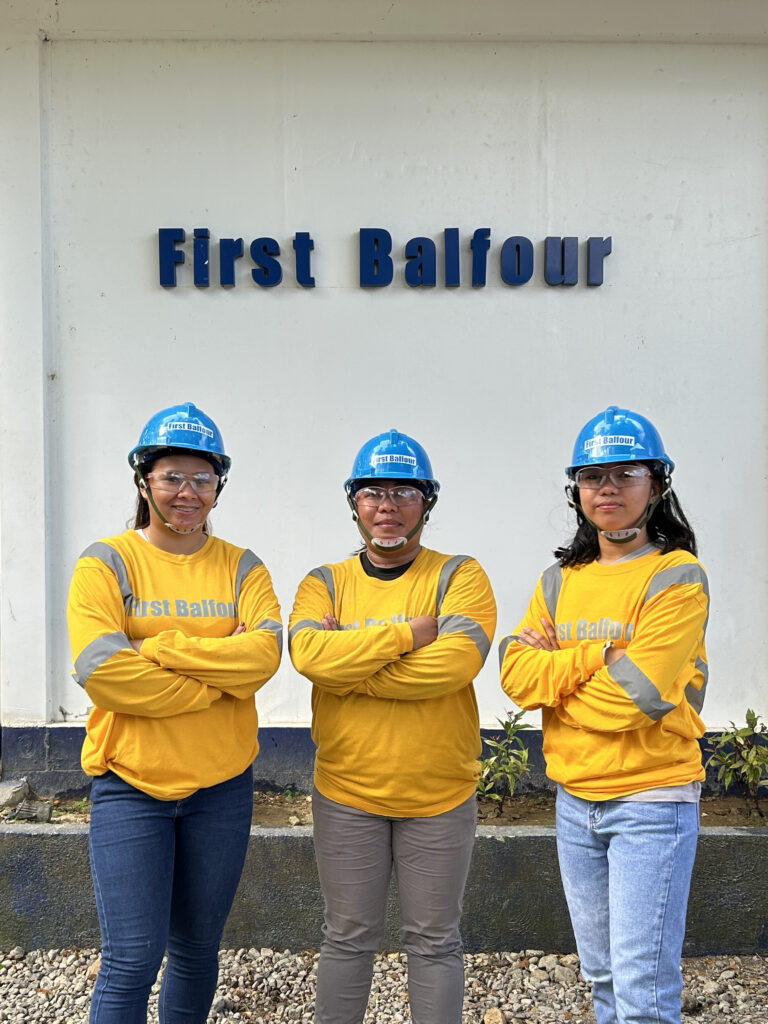
(L-R) The women welders of Leyte: Wilma, Lovelyn, and Sheena.
What inspired you to pursue this field, and how did your journey lead you to where you are today?
Lovelyn: Ang naka-inspire nako sa pag-welding kay ang akong kagustuhan nga mapamatud-an nga kaya sa babaye ang trabaho sa lalaki ug ganahan ko sa hands-on nga trabaho. Pinaagi sa training, paningkamot, ug pagsalig sa kaugalingon, naka-abot ko kung asa ko karon. (What inspired me to go into welding is my desire to prove that women can also do this kind of work, and I also enjoy hands-on jobs. Through training, hard work, and believing in myself, I was able to reach where I am today.)
Wilma: Wala ko naka-college pero naka-dungog ko nga naa’y school nga nagtudlo og welding ug nalaman pud nako nga naa’y mga babae didto. Pag-abot nako didto, nakaistorya ko sa uban nga women welders, ug na-inspire gyud ko. Mas na-excite ko nga magtuon. Pagkahuman, ni-apply ko sa First Balfour, ug dako kaayo akong pasalamat nga gidawat ko nila. (I wasn’t able to go to college… Then I heard about a school that teaches welding and I found out there were also women there. When I got there, I was able to talk to other women welders, and it really motivated me. I became more excited to learn. After that, I applied to First Balfour, and I’m very thankful they accepted me.)
What challenges have you encountered as a woman in your field, and how have you overcome them?
Wilma: Sa una, naa gyud to’y mindset nga dili i-hire ang babae para sa field jobs sama sa welding. Naay uban nga nagtuo nga ang babae naa lang didto para mangita og relasyon, o muundang ra kung magminyo o magkaanak. Hangtod karon, naa pa gihapon mga kompaniya nga ing-ana og panghunahuna. Dili pa kaayo daghan ang babae nga welder, pero sa First Balfour, very accepting ug supportive sila sa mga babae nga nagtrabaho sa field. (Before, there was this thinking that women were not hired for field jobs like welding. Some people believed that women were only there to find a relationship, or that they would just resign once they get married or have kids. Until now, there are still companies that think this way. We may not have many women welders yet, but in First Balfour, they are very accepting and supportive of women working in the field.)
Sheena: Naka-experience pud ko nga giingnan nga ang rason kuno nga gusto nako mahimong welder kay para lang mangita og partner. Pero gusto nako ipasabot nila nga naa ko diri kay ganahan gyud ko sa welding, ug ganahan ko sa akong trabaho. Kini nga path, ako gyud ni gi-pili para sa akong kaugalingon. (I’ve also experienced being told before that the reason I wanted to become a welder was just to find a partner at the site. But I wanted them to understand that I’m here because I really enjoy welding, and I like working here. This is something I chose for myself.)
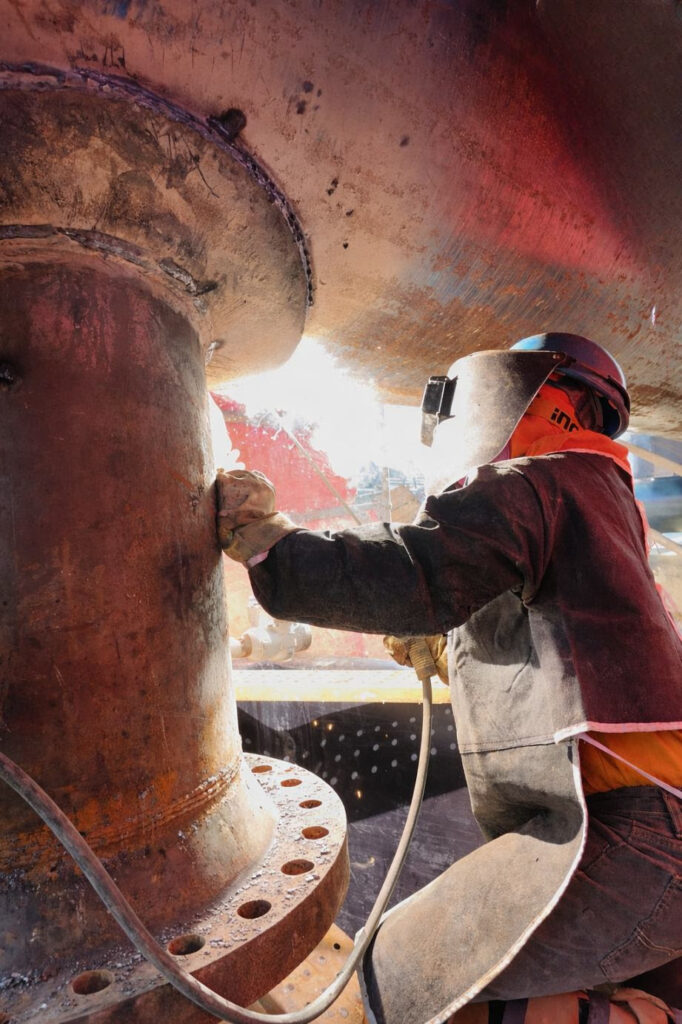
Wilma in action at the SLI-9 Phase 2 site.
What part of your work gives you the most pride or fulfillment?
Wilma: Para nako, kaya gyud sa babae nga makabuhat og pareho ra, o mas maayo pa gani, sa ilang giingon nga ‘trabaho sa lalaki.’ Naay mga panahon nga makita nako nga dili lang kay babae ang akong na-empower, kundi pati lalaki pud. Machallenge sila ug maningkamot nga mas mu-improve ilang trabaho kay makita man nila nga kung kaya nato, dapat kaya pud nila. Makita nako nga mas ginapush nila ilang kaugalingon. Aside ana, proud kaayo ko nga nakasuporta ko sa akong pamilya pinaagi sa akong trabaho isip welder. (That we, as women, can do just as good, or even better, in what they call a “man’s job.” There are times I see that I’m not only empowering women, but also men. They get challenged and try to improve their work because they see that if we can do it, then they should also be able to do it too. I can see them pushing themselves more. Aside from that, I’m proud that I’m able to support my family through my work as a welder.)
Lovelyn: Makahatag nako og garbo sa akong trabaho kay ang makatabang ko sa uban nga masabtan ilang mga pangutana ug makakita og klarong solusyon. Labi na kung akong tubag kay magamit gyud nila sa tinuod nga kinabuhi. (What gives me pride in my work is being able to help others understand their concerns and find clear solutions—especially when what I share can really be used in real life.)
What advice would you give to other women who want to pursue a career in this field?
Wilma: Ayaw mo paminaw sa mga tao nga muingon nga dili kaya sa babae. Kaya nato. Kaya nato buhaton bisan unsa basta atong gusto. Kung kaya sa lalaki, kaya pud nato. (Don’t listen when people say women can’t do it. We can. We can do anything we set our minds to. If a man can do it, then we can do it too.)
Sheena: Salig lang sa imong kaugalingon. Nindot mahimong babae kay kaya nato malampasan ang mga challenges ug mapakita nga mas kaya pa nato kaysa sa gi-expect sa uban. (Trust in yourself. Being a woman is something to be proud of, because we’re able to overcome challenges and prove that we can do more than what others expect from us.)
Outside of work, these women slow down and savor the simple joys that make life meaningful. For Wilma, it’s spending time at home with her child and attending church.
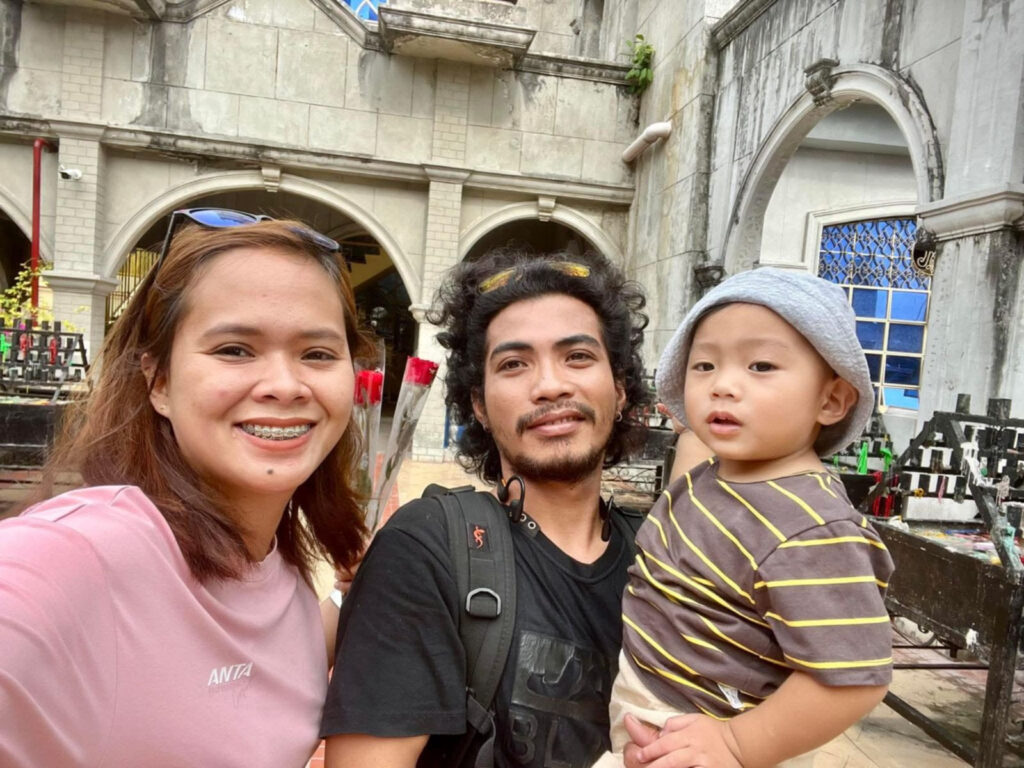
Wilma spending quality time with her family at church.
Sheena keeps active through running, playing basketball with her cousins, and caring for her pet ducks. Weekends are often centered around family—picnics by the river, karaoke sessions, church, and movie nights at home.
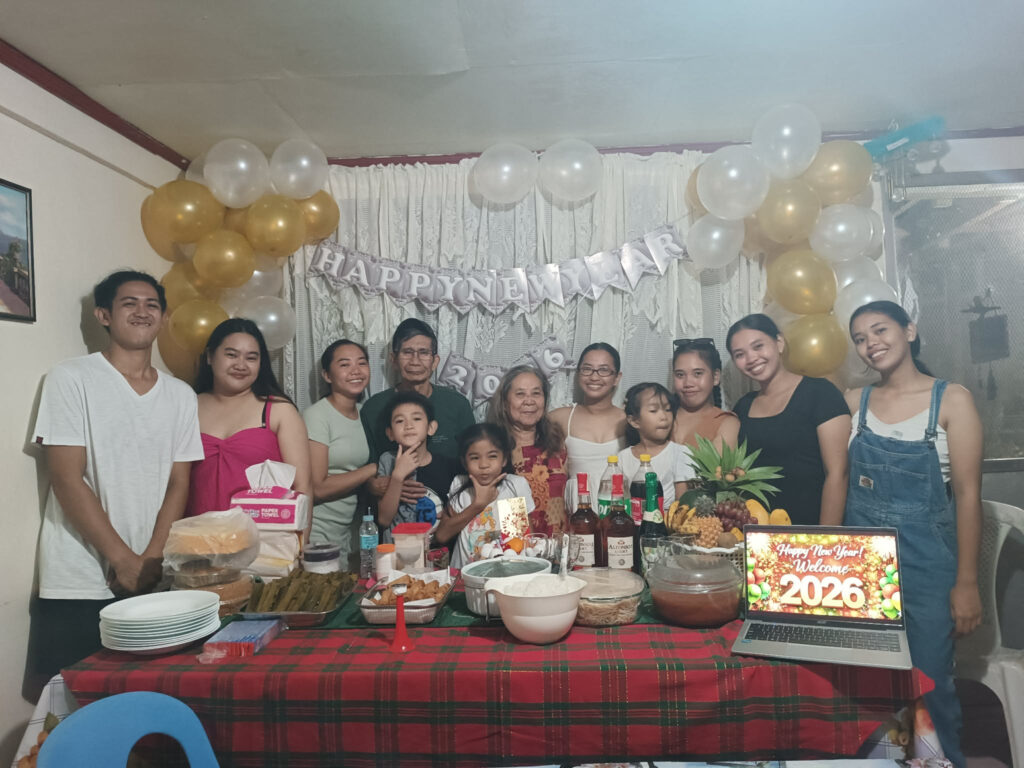
Sheena, and her family, welcoming 2026 during the new year celebrations.
For Lovelyn, free time is a chance to be fully present with her family, tending to her garden, and helping out at their small goat farm.
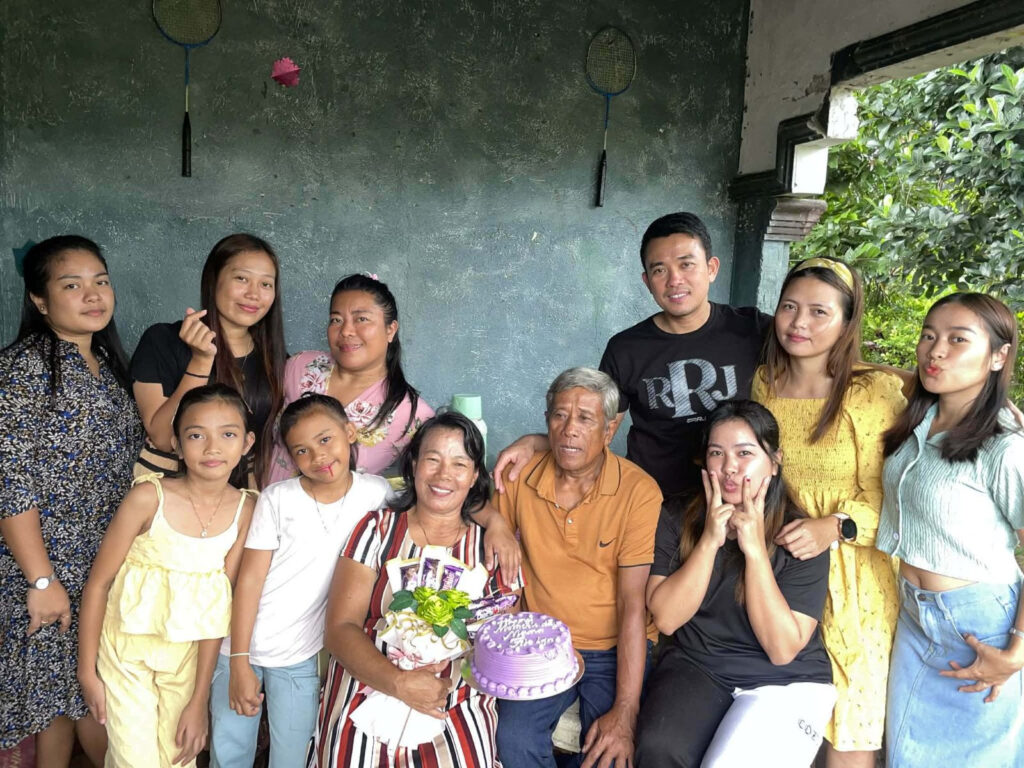
Lovelyn celebrating Mother’s Day with her family.
Beyond their work at the welding station, these moments reveal what truly drives them: family, faith, and a quiet pride in the life they continue to build each day. It’s a reminder that behind the sparks and steel, there’s a life full of dedication, joy, and meaning—both on and off the job.